Van Loading Layouts Pros Use to Maximise Space
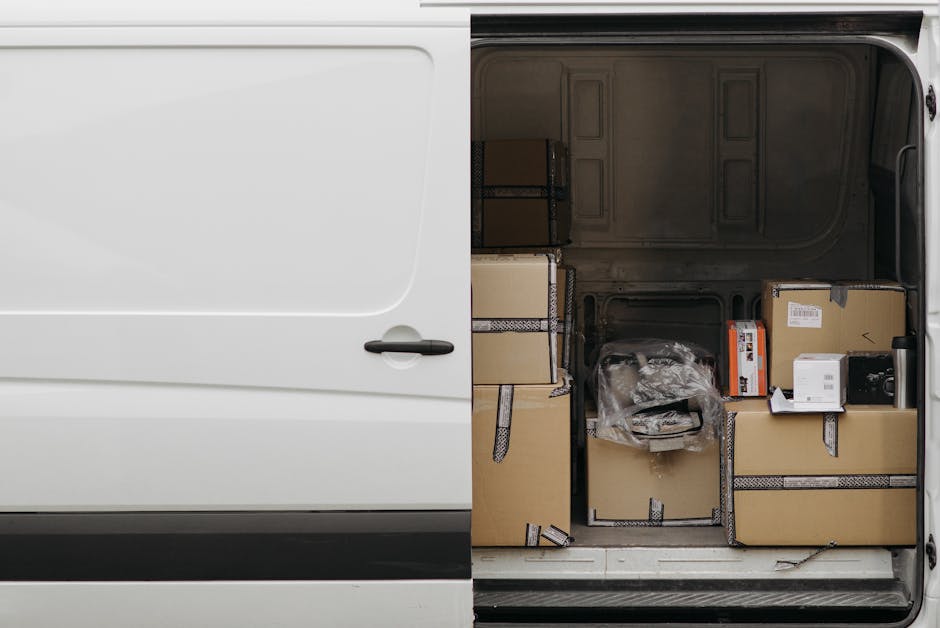
If you have ever stood at the back of a van with a sofa, a stack of boxes, and one awkward lamp in your hands, you already know the problem: space disappears fast. The pros do not just "fit things in" and hope for the best. They use van loading layouts pros use to maximise space, keep goods stable, and make unloading smoother at the other end. That matters whether you are moving a flat, a family home, or a workspace with desks, printers, and somewhere-too-many cable boxes.
In practice, a good loading layout can save time, reduce damage, and stop that miserable mid-journey shuffle where something starts sliding every time you brake. This guide breaks down how professional van layouts work, why they matter, and how to use them properly in real life without overcomplicating it. Truth be told, the best system is usually the one you can repeat under pressure.
Why Van Loading Layouts Pros Use to Maximise Space Matters
A van is not a blank box in the simplest sense. It has wheel arches, tie points, a loading height, and a shape that can either help you or make your life awkward. Professional movers understand that the arrangement inside the vehicle affects almost everything else: protection, speed, fuel use, and how calm the unload feels at the destination.
Space efficiency is not only about squeezing in more. It is about putting the right items in the right order so the load becomes a single stable mass rather than a pile of unpredictable objects. That difference is huge. A loosely packed van can leave dead space above boxes, gaps beside furniture, and pressure points that damage mirrors, tabletops, and soft furnishings. A planned layout reduces all of that.
It also changes how your day feels. If you are moving in London traffic, for example, the van might stop and start a lot. A poor load will settle badly and shift around the first time you hit a roundabout or a pothole. A good load, on the other hand, feels almost quiet. You can hear the difference. Less knocking, less movement, less panic.
For home moves, commercial moves, and mixed loads, loading layout is one of the simplest ways to make a move safer and less stressful. If you are booking help through man and van support or arranging a larger vehicle through moving truck hire, it is worth understanding the logic behind the loading plan rather than leaving everything to chance.
How Van Loading Layouts Pros Use to Maximise Space Works
Professional loading follows a basic principle: build from the heaviest, strongest, and most stable items first, then layer lighter and more fragile items around and above them. The goal is not simply to fill the floor. It is to create a tightly packed, well-balanced structure that resists movement and uses the van's full volume efficiently.
Most pros think in zones. The floor zone takes the heaviest furniture and appliances. The middle zone handles stacked boxes and medium-weight items. The upper zone is reserved for lighter, more compressible loads such as bedding, cushions, lampshades, and soft bags. That is the broad picture, anyway. The exact method changes depending on the load, the vehicle size, and the delivery order.
They also think in shape. Flat items, such as mattresses, frames, wardrobe doors, or bookcases, create useful vertical planes. Softer items can then be tucked into gaps. Smaller boxes fill voids between larger objects. You end up with a more solid wall of cargo instead of wasted air pockets. Let's face it, air is not a great thing to pay van space for.
Another part of the process is weight distribution. A van should not be top-heavy or lopsided. Pros place the heaviest items low and spread the weight across the axle line where possible. That helps stability on the road and makes the van easier to handle, especially if you are using a removal truck hire option for a larger move.
Finally, the best layouts leave a usable unloading sequence. If you know what comes out first, you can load in reverse order and avoid the classic problem of trapping the kettle, the office printer, or the front-door keys behind a fortress of boxes.
Key Benefits and Practical Advantages
A well-planned loading layout offers more than just "more space". It improves the whole move in ways people often only notice after they have had a bad one.
- Less wasted volume: Gaps are filled deliberately, so the van carries more usable cargo.
- Reduced damage risk: Stable packing means fewer scuffs, crushed corners, and broken items.
- Faster loading and unloading: Clear order saves time at both ends.
- Better safety: Balanced loads are easier to drive and less likely to shift suddenly.
- Lower stress: You know where things are, which is a relief when moving day gets noisy and busy.
- Improved cost efficiency: In some cases, better packing may mean fewer trips or a smaller vehicle than you first expected.
There is also a hidden advantage: professionalism. A tidy, well-built load tells you the team knows what it is doing. That matters in home moves, but it matters even more for office work where downtime is expensive and there is no time to hunt for missing files because they were packed at the wrong point in the van.
Expert summary: The most efficient loading layout is not the one that looks the fullest. It is the one that carries the most safely, unloads in the right order, and keeps the vehicle balanced from start to finish.
If you are comparing help for a residential move, a full household move through home moves or house removalists will often suit larger, more delicate loads. For smaller, quicker jobs, a man with van setup can still benefit from the same layout principles.
Who This Is For and When It Makes Sense
This approach helps almost anyone moving goods, but it becomes especially useful in a few common situations.
Home movers: If you are moving from a one-bed flat, a family house, or a shared property, a loading layout gives you more room for awkward items like mirrors, chairs, coat rails, and boxed kitchenware.
Businesses and offices: Office relocations tend to include mixed items: filing boxes, monitors, desks, chairs, IT equipment, and sometimes a random plant that someone is very attached to. Those loads need structure. If this is your world, office relocation services or commercial moves can be a better fit.
People collecting or delivering furniture: When one or two large items sit alongside smaller ones, the van can feel disorganised very quickly. A layout gives each item a position rather than a vague hope. For this kind of job, furniture pick up can be a handy service.
Anyone using packing help: Good packing supports good loading. A box that stacks cleanly is much easier to place than one with odd bulges or loose lids. If you want that part handled properly too, packing and unpacking services can make a real difference.
It also makes sense when you are moving on a tight schedule. Maybe you have the keys for a new place at 2pm and the old one needs to be empty by 4pm. That sort of day does not leave much room for guesswork. Layout discipline is your friend.
Step-by-Step Guidance
Here is a practical way to plan a van load without turning it into a military operation. Keep it simple, but not sloppy.
- Sort items by size, weight, and fragility. Put heavy and strong items in one group, fragile items in another, and soft fill items separately.
- Measure the biggest pieces first. Sofas, beds, wardrobes, desks, and appliances define the shape of the load. Start there.
- Plan the delivery order. Ask yourself what must come out first. Put those items last in the van so they are easiest to reach.
- Load heavy items against the front wall or bulkhead. This keeps weight stable and creates a solid base.
- Build upward with stacked boxes and mid-weight items. Keep the stack flat and level where possible.
- Fill gaps with soft items. Use bedding, cushions, towels, and clothes bags to stop movement.
- Secure with straps as you go. Do not wait until the van is half full and everything is already leaning.
- Check access and visibility. Make sure the driver can still see where needed and that the load is not pressing on doors or fittings.
- Do a final shake test. A gentle check tells you whether anything is loose before the journey begins.
A simple example: a sofa goes in first, followed by a mattress or wardrobe panel standing safely along the side, then boxes stacked neatly into the middle, then soft bags and cushions stuffed into leftover corners. It is basic, yes. But basic done well works.
If the move involves a larger vehicle or multiple stops, it may be worth considering a removal truck hire option rather than trying to force everything into one tighter load. Sometimes the smarter move is simply giving yourself a bit more breathing room.
Expert Tips for Better Results
Small improvements make a surprisingly big difference here. The pros tend to use a few habits that are easy to borrow.
Use the heaviest item as an anchor. Once that central piece is in place, everything else can be packed around it with more control. It is a bit like building a shelf in reverse.
Keep box sizes consistent. Mixed box sizes are fine, but if every box is wildly different, stacking becomes a mess. Uniform cartons are easier to level and less likely to crush.
Protect corners and edges. The corner of a table or headboard can damage another item fast. Blankets, cardboard sheets, and furniture covers help a lot.
Don't waste vertical space. If the load is below the roofline and stable, add light items above the lower layer. Empty top space is usually a missed opportunity.
Think in "blocks", not individual items. A mattress paired with soft bags can become one block. A set of stacked boxes becomes another. Blocks are easier to manage than random single pieces.
Leave a slim access lane only when needed. If you must stop and unload en route, that lane can save time. If not, fill the space properly.
Use tie-down points early. A strap should support the load, not rescue a disaster.
One little thing that gets overlooked: a clean van floor. Dust, grit, and loose packaging can make items slide more than people expect. A quick sweep takes minutes and helps more than it sounds like it should.
Common Mistakes to Avoid
Most loading problems come from rushing or assuming the load will "sort itself out". It usually won't.
- Loading by room instead of by shape and weight: It feels organised at first, but the van ends up inefficient and unstable.
- Putting fragile items in the wrong layer: Mirrors and glass should not be buried under a box mountain.
- Leaving voids between large items: Gaps become movement points.
- Overstacking soft furniture: Sofas squashed under heavy boxes are asking for trouble.
- Ignoring unloading order: You do not want to unpack a kettle by removing twelve other items first. Been there, not fun.
- Not strapping the load: Even a good layout can shift if it is not secured.
- Forgetting weight distribution side to side: A van that leans unevenly is unpleasant to drive and can feel unstable.
A common real-world mistake is trying to fit one more box into the last gap just because it looks like it might fit. If it presses against a fragile item or blocks the doors, that box is not a good idea. Sometimes the right answer is no. Boring, but right.
Tools, Resources and Recommendations
You do not need specialist kit for every move, but a few tools make loading much easier and safer.
- Ratchet straps or load straps: Useful for holding larger items in place.
- Blankets and furniture covers: Good for protecting polished surfaces and painted corners.
- Sturdy boxes: Better than tired, overfilled cartons that bow in the middle.
- Labels and markers: Simple, but they save real time when unpacking.
- Gloves with grip: Helpful for lifting awkward items and avoiding slips.
- Hand trolley or sack truck: Ideal for appliances, boxed office gear, and heavier furniture.
For planning, a basic room-by-room inventory helps more than people think. List what must go, note anything fragile or unusually heavy, and separate what will be needed immediately after arrival. That makes both packing and loading cleaner.
It can also help to compare vehicle size carefully rather than guessing. If you are unsure whether a smaller van will work or whether you need something larger, the team at pricing and quotes can help you understand what is realistic before moving day comes round and everyone is standing there with a wardrobe and a headache.
For businesses, especially those moving desks or IT equipment, a structured move plan is worth more than a last-minute scramble. Commercial loads often benefit from a clear sequence and, in some cases, extra handling support.
Law, Compliance, Standards and Best Practice
This topic is mostly about practical safe loading rather than legal complexity, but there are still sensible standards to keep in mind. In the UK, anyone transporting goods should take care to load them securely enough that they do not create an avoidable hazard on the road. That is common-sense stuff, but it matters.
Best practice usually means:
- keeping the load stable and balanced
- preventing items from falling, sliding, or rolling
- not exceeding the vehicle's safe carrying capacity
- using suitable restraints where needed
- protecting fragile items properly
Insurance expectations matter too. If an item is damaged because it was badly packed or not restrained, there can be questions about how it was handled. For that reason, it is sensible to work with a company that is clear about vehicle safety, handling expectations, and cover. If you want to understand those points before booking, insurance and safety is the most relevant place to look.
For customers who care about responsible disposal or mixed move waste, sustainability also plays a part. Packing materials, unwanted furniture, and end-of-move clearances are best handled in a way that avoids unnecessary waste. The company's approach to recycling and sustainability may be useful if you are trying to keep the move tidy from start to finish.
There are also service terms to keep in mind. If you are booking any move, it is sensible to understand the service conditions, payment handling, and policies before the day itself. That avoids misunderstandings later on.
Options, Methods, and Comparison Table
There is no single perfect loading layout for every job. The best method depends on the size of the van, the type of items, and whether you are moving home or business goods. Here is a simple comparison.
| Method | Best for | Strengths | Watch-outs |
|---|---|---|---|
| Heavy-first base load | Mixed home or office moves | Stable, efficient, easy to build on | Needs careful planning for unloading order |
| Room-by-room loading | Simple jobs with limited items | Easy to understand and organise | Can waste space and create poor weight balance |
| Zone-based layout | Larger or more complex moves | Excellent use of van volume, cleaner access sequencing | Takes more thought before loading starts |
| Layer-and-fill method | Loads with many boxes and soft items | Makes good use of small gaps and vertical space | Needs discipline so fragile items are not buried |
For most readers, a hybrid of heavy-first and zone-based loading works best. That is what you will often see on professional jobs. It is practical, not fancy.
Case Study or Real-World Example
Imagine a typical small office move: four desks, six chairs, a filing cabinet, a printer, twelve archive boxes, and a few loose IT peripherals. If you load that casually, the desks may trap the boxes, the chairs may rattle against the printer, and the archive boxes could end up crushed under heavier furniture.
Now picture the same job with a proper layout. The filing cabinet and desks go in first, creating a stable base. The printer is padded and placed where it will not be squeezed. The chairs nest together to save room. Archive boxes stack in clean columns, and the loose peripherals are packed into soft voids. The van leaves with less wasted space and arrives with fewer items needing a sigh and a repair bill.
A home move is similar. A wardrobe panel can become a vertical divider, a mattress can act as a protective wall, and duffel bags can fill odd gaps at the top. That might sound a bit obvious written out, but in the chaos of a moving morning it is easy to forget. The tea is cooling, someone has lost the tape, and suddenly everyone is improvising.
That is where pros earn their keep: they keep the sequence calm.
Practical Checklist
Use this quick checklist before the van doors close.
- Heavy items loaded first and low to the floor
- Fragile items protected and not buried
- Boxes stacked flat and level
- Gaps filled with soft, non-crushing items
- Load balanced from side to side
- Ratchet straps or restraints fitted where needed
- Delivery order considered before final packing
- Doors close without pressure on the load
- No loose items rolling around on the floor
- Driver has a clear path to manage the journey safely
If you are moving from a house with a lot of furniture, or relocating a workplace with limited access time, it can help to speak early and plan the layout before moving day. A bit of calm planning now saves a lot of scrambling later.
Conclusion
Van loading layouts pros use to maximise space are not really about clever tricks. They are about discipline, sequence, and using the full shape of the vehicle properly. Once you understand the logic, you start to see why good loads look so neat: they are built to travel safely and unpack efficiently, not just to make the van look full.
Whether you are handling a home move, an office relocation, or a simple furniture collection, the same principles hold up. Start with the heaviest items, protect the fragile ones, fill the gaps intelligently, and keep the load balanced. It sounds straightforward because, mostly, it is. Doing it well just takes a little thought and a steady hand.
If you are planning a move and want less stress, fewer trips, and a better-organised van from the outset, the smartest next step is to speak with a team that does this every day.
Get a free quote today and see how much you can save.
And if today feels a bit chaotic, fair enough. Moving often is. A good layout brings a little order back into the room, and sometimes that is exactly what you need.
Frequently Asked Questions
What is the best way to load a van to maximise space?
The best way is usually to load the heaviest items first, place them low and against a stable wall of the van, then build upward with stacked boxes and lighter items. Fill gaps with soft items and secure the load as you go.
Should heavy furniture go at the front or the back of the van?
In most cases, heavy furniture should go low and towards the front wall or bulkhead where it can form a stable base. That helps with weight distribution and reduces movement while driving.
How do professionals stop items from moving around?
They use a combination of tight packing, straps, blankets, and smart placement. A load that is built properly should not rely on one strap doing all the work. The straps support the layout, they do not replace it.
Is it better to pack room by room or by weight?
Weight and shape usually matter more than room labels. Room-by-room can be tidy for packing, but loading by weight and size is normally more efficient inside the van.
What items should be loaded last?
Items needed first at the destination should usually be loaded last so they are easiest to reach. That often includes a kettle box, basic tools, bedding, or essential office kit.
How can I fit more boxes into a small van?
Use uniform box sizes, stack them neatly, and fill awkward gaps with soft items rather than random loose things. Do not leave empty space above strong, stable boxes if the load can safely take more.
Do I need straps for every van load?
Not every single load needs the same number of straps, but most mixed or larger loads benefit from restraint. If anything could shift, tip, or press against another item, a strap is usually worth using.
Can I load a mattress on its side?
Yes, often you can, as long as it is supported and not likely to bend or get trapped under heavy items. The key is keeping it clean, stable, and not forcing it into a position that damages its shape.
What is the most common mistake people make when loading a van?
The biggest mistake is loading in a rush and leaving voids between items. Those gaps become movement points, and once the van starts moving, the whole load can shift around more than expected.
Does a better loading layout really save money?
It often can. Better layouts may reduce damage, cut the number of trips, and help you use a smaller vehicle more effectively. Even when it does not reduce the transport cost directly, it can save time and stress.
What if I have fragile items and large furniture together?
Separate them as much as possible, and use larger stable items to create protective barriers. Fragile items should be cushioned and kept clear of pressure points. If the load is complex, professional packing help can be a good idea.
When should I choose a larger vehicle instead of forcing everything into one van?
If the load is becoming unstable, if there are too many awkward items, or if you are starting to compromise on safety to make everything fit, it is time to consider a larger vehicle. A slightly bigger van is often the calmer option.
Contact us if you would like help planning a move that feels organised from the first box to the last.