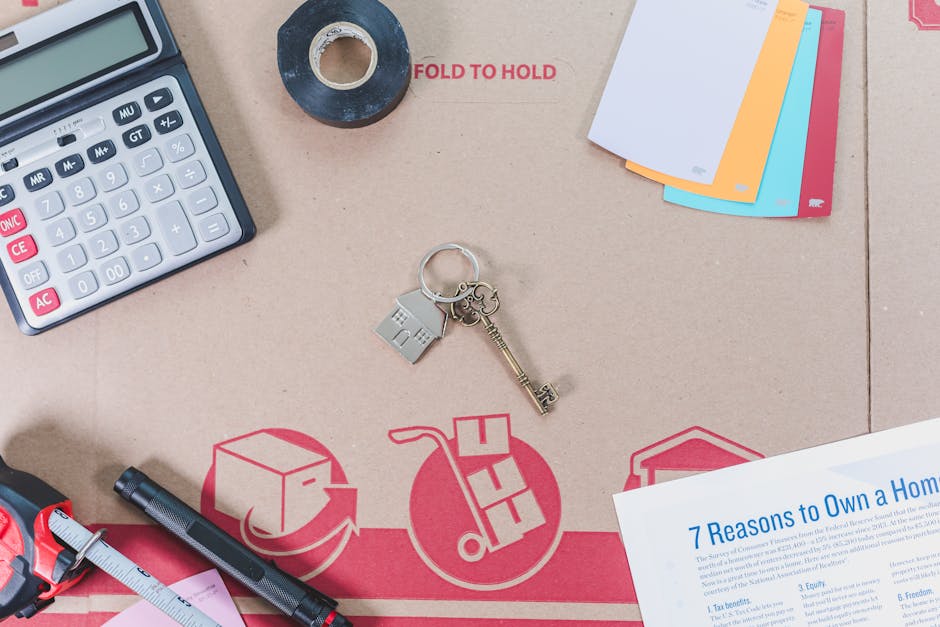
DIY Move vs Pro Removals: Risks and Savings Explained
Moving house can look deceptively simple from the sofa. A van, a few mates, some boxes, done. But once the kettle's packed, the hallway is full of bubble wrap, and the sofa refuses to fit through the door, the real picture appears. That is where DIY Move vs Pro Removals: Risks and Savings Explained becomes a genuinely useful question, not just a budgeting exercise.
In plain terms, this article compares the money you might save by doing it yourself with the risks, time pressure, and hidden costs that often come with it. We will look at when DIY makes sense, when professional removals are the calmer choice, and how to make a decision that suits your home, your belongings, and your sanity. To be fair, that last part matters more than people admit.
Table of Contents
- Why DIY Move vs Pro Removals: Risks and Savings Explained Matters
- How DIY Move vs Pro Removals: Risks and Savings Explained Works
- Key Benefits and Practical Advantages
- Who This Is For and When It Makes Sense
- Step-by-Step Guidance
- Expert Tips for Better Results
- Common Mistakes to Avoid
- Tools, Resources and Recommendations
- Law, Compliance, Standards, or Best Practice
- Options, Methods, or Comparison Table
- Case Study or Real-World Example
- Practical Checklist
- Conclusion
- Frequently Asked Questions
Why DIY Move vs Pro Removals: Risks and Savings Explained Matters
On the surface, DIY moving seems like the cheapest option. You hire a van, recruit a couple of willing friends, and spend a weekend doing the lifting yourself. That can work for a small move, especially if you only have a few rooms of belongings and short travel distance. But the savings are not always as neat as they first appear.
The real cost of moving includes more than transport. There is packing time, loading and unloading effort, fuel, vehicle insurance, parking, possible storage, equipment hire, and the occasional emergency trip for tape because somehow you always run out at the worst moment. Then there is the risk side: damaged furniture, strained backs, scratched walls, missed deadlines, and a move that takes twice as long as expected.
Professional removals, on the other hand, are not just about muscle. A good team brings process, planning, and the right tools. That can reduce stress, protect valuables, and make the whole day feel less chaotic. If you are balancing work, children, a lease handover, or a fixed completion time, the value can be bigger than the invoice suggests.
This matters because moving is one of those jobs where a small mistake has a way of becoming a big one. A poorly packed mirror, a heavy wardrobe on a narrow staircase, a wet driveway, or a rushed schedule can quickly turn a "cheap" move into a difficult one. It's not dramatic. It's just life, and houses are awkward like that.
How DIY Move vs Pro Removals: Risks and Savings Explained Works
The comparison is easier if you break the move into stages. Each stage has a cost, a time demand, and a risk level. DIY and professional removals handle those stages differently.
1. Planning and volume assessment
With DIY, you estimate how much you need to move, work out van size, and decide how many trips you might need. This is where many people underestimate the load. A one-bed flat can still contain more than you think, especially if there is a loft, shed, or that one cupboard everyone forgets about until the night before.
With a professional service such as home moves support or house removalists, the team usually helps judge the right vehicle, crew size, and timing. That reduces guesswork, which is helpful because guesswork is expensive when a second van suddenly becomes necessary.
2. Packing and protection
DIY movers often rely on whatever boxes they can find, plus towels, old duvets, and a roll of tape. That can be fine for soft goods, but fragile items, flat-pack furniture, and awkward pieces need more care. Good packing is not glamorous, but it is one of the strongest defences against breakage.
Professional support may include packing and unpacking services, which can save time and reduce errors. The benefit is not just convenience. It is consistency. Items are packed in a way that makes loading safer and unpacking easier, which honestly makes a huge difference on day one in the new place.
3. Lifting and loading
This is where the risks become very real. DIY moving often means lifting heavy furniture without training or proper handling equipment. It is easy to twist while carrying a mattress, drop a box on a toe, or damage a bannister. Most people are careful, of course, but careful and well-equipped are not the same thing.
Professional movers work with a process: assess the item, choose a route, use straps or trolleys where appropriate, and load in a way that balances weight. That does not guarantee perfection, but it usually reduces avoidable damage.
4. Transport and timing
DIY transport can be inexpensive if you only need a short local journey. Yet delays stack up quickly if you are stuck in traffic, making repeated trips, or parking far from the property. Add weather into the mix and the day can become messy rather fast.
If you use a dedicated vehicle such as a moving truck or arrange removal truck hire, you gain more capacity and usually a more organised flow. That said, the right option depends on access, volume, and how much help you have at each end.
5. Unloading and settling in
DIY moves often end with everyone tired, hungry, and arguing gently about which room the kettle should go in. Professional crews can keep the pace going, which matters when you want the essentials in place before the evening. A move is rarely finished when the van stops. It's finished when the bed is built and the first cup of tea is made.
Key Benefits and Practical Advantages
There are real advantages to both approaches. The best choice depends on what you value most: cash saved, time saved, or stress reduced.
Benefits of DIY moving
- Lower upfront spend if you already have helpers and only need a small van.
- More control over packing order, loading sequence, and timing.
- Flexibility if you can spread the move over a few days.
- Works well for low-volume moves, such as a student flat, studio, or small local relocation.
Benefits of professional removals
- Reduced physical strain for you and your friends.
- Better handling of awkward or valuable items, including bulky furniture and delicate belongings.
- Less time lost to loading, unloading, parking, and multiple journeys.
- More predictable move day, which helps with completion schedules and handovers.
- Useful extra services such as packing, furniture handling, or a tailored vehicle option like a man with van or man and van arrangement.
One thing people overlook is emotional energy. A move drains decision-making capacity. Once you have spent the morning checking keys, meters, labels, and parking, your patience is already thin. A professional move can protect some of that energy. That is not a small thing.
Who This Is For and When It Makes Sense
DIY and pro removals are not competing in a one-size-fits-all race. Different situations call for different choices.
DIY is often sensible when:
- You are moving a small load locally.
- You have strong, reliable helpers available.
- Your furniture is limited and not especially fragile.
- You have straightforward access, such as ground-floor loading or easy parking.
- You are flexible on timing and can avoid a rushed move.
Professional removals make more sense when:
- You have a full house or a large volume of furniture.
- You own heavy, awkward, or valuable items.
- Parking or access is tight, which is common in many parts of London.
- Your move has to happen within a narrow window.
- You want to reduce the physical and mental load on the day.
For businesses, the calculation is even sharper. Office moves, stock relocations, or equipment-heavy changes usually benefit from structured support. Services like commercial moves and office relocation services help keep disruption under control, which matters when staff, customers, and deadlines are all involved.
If you only need a single item moved, something like furniture pick up can also be more practical than organising a whole DIY operation around one awkward sofa. Truth be told, that sofa is often the real boss of the day.
Step-by-Step Guidance
Here is a simple way to decide between DIY and pro removals without getting lost in the noise.
Step 1: Count the volume honestly
Walk through every room and note large furniture, boxes, fragile items, outdoor belongings, and anything stored in cupboards, lofts, or sheds. Be honest. People almost always underestimate by at least a little.
Step 2: Measure access, not just items
Check stairs, lift access, narrow doors, long carries, and parking restrictions. A small move can become awkward if the van has to park far away. In some streets, that is the whole game.
Step 3: Price the real DIY costs
Do not stop at van hire. Add fuel, insurance, packing materials, straps, blankets, parking charges, and any equipment you might need. If friends are helping, consider the hidden cost of food, drinks, and the time you owe them afterwards. Not a formal invoice, just reality.
Step 4: Compare time, not just money
Ask how long DIY will take from start to finish. That includes packing, loading, travel, unloading, and cleaning up. Then compare it with the likely time needed for a professional crew. Sometimes the cheaper option costs a whole weekend.
Step 5: Match the move type to the method
A small local move with a few boxes might suit DIY or a simple van hire. A larger family home, office contents, or mixed furniture load is usually better handled with professional support and a suitable vehicle.
Step 6: Decide what stress level is acceptable
This sounds soft, but it isn't. Some people are happy to work through a DIY move. Others need the day to stay calm and efficient. If the move includes children, pets, or a strict completion deadline, that emotional margin matters.
Expert Tips for Better Results
A few practical habits can make any move go better, whether you choose DIY or professionals.
- Pack by room and label boxes clearly on more than one side.
- Keep essentials separate: chargers, documents, medication, toiletries, kettle, snacks, and a change of clothes.
- Disassemble furniture early, not when the van is already waiting outside.
- Protect floors and corners if you are moving bulky pieces through tight spaces.
- Book access space in advance where possible, especially in busier neighbourhoods.
- Take photos of delicate items or existing marks before the move, just for clarity.
If you use professional help, ask clear questions about timing, crew size, access needs, and what happens if the property layout changes on the day. That conversation is worth having early. It saves headaches later, and fewer surprises is always a win.
A small but useful tip: keep a visible "first night" box. Bedsheets, soap, mugs, phone chargers, and a couple of plates. It sounds basic, but 9 p.m. in a new home with no kettle feels oddly heroic and slightly miserable at the same time.
Common Mistakes to Avoid
Most moving problems come from a few repeat mistakes. The good news is they are avoidable.
- Underestimating volume and booking a van that is too small.
- Ignoring access issues like parking, stairs, lift size, or long carries.
- Packing heavy boxes badly, especially books in oversized boxes.
- Leaving everything until the last minute, which leads to rushed decisions.
- Assuming friends can handle all lifting without breaks, tools, or experience.
- Forgetting insurance or liability questions and then being surprised when something goes wrong.
- Not checking the route or timing, particularly if traffic or school runs may affect the day.
The biggest mistake is treating a move like a one-off errand. It is more like a short project. Once you think about it that way, planning gets easier. A little boring, yes. But easier.
Tools, Resources and Recommendations
You do not need a warehouse of equipment, but the right basics make a genuine difference.
Useful DIY moving tools
- Sturdy boxes in mixed sizes
- Packing tape and tape dispenser
- Marker pens and labels
- Protective wrapping for glass and electronics
- Blankets or covers for furniture
- Gloves with a good grip
- Straps, a trolley, or a sack truck for heavier items
Useful professional moving options
- A flexible vehicle option such as moving truck support for larger loads
- Scheduled assistance for heavier homes and family properties through home moves
- Specialist handling where the move involves heavier furniture and access planning
- Support for final-room setup through packing and unpacking help
If you are comparing services, you may also want to look at pricing and quotes so you can understand what is included and what is not. That clarity matters more than a shiny headline price. Really.
For broader reassurance, it can help to check a company's operational approach through pages such as insurance and safety and health and safety policy. If sustainability matters to you, recycling and sustainability can also be useful to review, especially when a move creates unwanted items or packing waste.
Law, Compliance, Standards, or Best Practice
Moving home or office in the UK does not usually involve complex legal steps for the customer, but there are still sensible standards and responsibilities to think about. The main thing is to act carefully, plan access responsibly, and choose a provider that treats safety and insurance properly.
For DIY moves, your practical duty is to avoid unsafe lifting, secure items properly, and make sure the vehicle is legal and suitable for the load. You should also be mindful of parking restrictions, estate rules, and building access requirements. In city areas, this can be more important than the box count.
For professional removals, good practice usually includes appropriate handling methods, clear communication about the move scope, and transparent terms. It is wise to read the company's terms and conditions before booking, and to understand payment handling through payment and security.
Insurance matters too. Not in a scary way, just in a realistic way. If something is damaged or delayed, you want to know what protection exists, what exclusions apply, and how claims or complaints are handled. A clear complaints procedure can be reassuring, because good service is not just about the move itself; it is about how issues get handled if they arise.
Finally, if you are comparing providers, it is reasonable to look at the business background and operating values. Pages such as about us can help you judge whether the company feels organised, transparent, and customer-focused. That may sound soft, but trust is not soft when your furniture is on the line.
Options, Methods, or Comparison Table
Below is a simple comparison to help you weigh the main options. The right choice often becomes obvious once you see the differences side by side.
| Option | Best For | Main Savings | Main Risks | Overall Fit |
|---|---|---|---|---|
| Full DIY move | Small local moves with strong help and easy access | Lower upfront spend if everything goes smoothly | Physical strain, damage, delays, extra trips | Good for light, simple moves |
| Van hire with helpers | Moderate moves where you want transport only | More control than full service, less cost than a crew | Packing and lifting still fall on you | Middle-ground option |
| Man and van | Smaller household moves or single-item transport | Useful when you need help but not a full removal team | May still need active help from you | Practical for compact moves |
| Full professional removals | Large homes, tight schedules, heavy or fragile items | Time saved, lower stress, reduced risk of damage | Higher upfront spend | Best for complex or high-value moves |
If you are in the middle, a hybrid approach can work well. For example, you might pack yourself and book transport support only, or move smaller items DIY and hire help for the heavy furniture. That mix can be smart. Not fancy, just smart.
Case Study or Real-World Example
Imagine a couple moving from a two-bedroom flat into a terraced house a few miles away. They have a sofa, a bed frame, several boxes of books, a dining table, and a few awkward pieces in a storage cupboard that have somehow multiplied over the years.
The first instinct is DIY. They can borrow a van, ask two friends, and aim to finish in one day. On paper, the savings look decent. Then they notice the parking restrictions at the new street, the narrow staircase, and the fact that the wardrobe will need to be taken apart. A "simple" move starts to look like a full-day puzzle.
In that kind of situation, a professional option can save time and reduce strain. A man with van arrangement may suit a lighter load, while a fuller service is better if the furniture is heavy or access is tricky. If the couple also needs help moving a few old items out, furniture collection support can help keep the move less cluttered.
The result is not that DIY was wrong. It was just not the best fit. Once the access problems and time pressure are included, the professional option becomes less of a luxury and more of a practical decision. That is the hidden lesson in many moves, really.
Practical Checklist
Use this checklist before deciding whether to move yourself or hire professionals.
- Have I counted all items, including storage spaces and outdoor belongings?
- Do I know the exact access at both properties?
- Can I safely lift and carry the heaviest items?
- Do I have enough helpers who are genuinely available?
- Have I priced van hire, fuel, materials, and parking?
- Is there a time limit, completion deadline, or handover window?
- Do I need packing help or special handling for fragile items?
- Have I checked insurance and liability expectations?
- Would a smaller service like man and van be enough, or do I need a larger setup?
- Have I made a backup plan if the move overruns?
If you can answer most of these comfortably, DIY might be manageable. If several answers are uncertain, that is usually a sign to explore professional support. No drama. Just common sense.
Conclusion
The real debate in DIY Move vs Pro Removals: Risks and Savings Explained is not simply cheap versus expensive. It is control versus convenience, short-term savings versus hidden costs, and physical effort versus peace of mind. DIY can absolutely work for smaller, simpler moves. But once volume, access, timing, or fragile furniture enter the picture, professional help often becomes the smarter move overall.
The best decision is the one that fits your home, your budget, and your tolerance for chaos on the day. If you plan carefully, price honestly, and choose the right level of help, your move can feel organised rather than overwhelming. And that is worth a lot.
Get a free quote today and see how much you can save.
Whatever route you choose, keep the essentials close, take one breath when the boxes start stacking up, and remember: the move is temporary, but the calmer choice tends to last.
Frequently Asked Questions
Is a DIY move always cheaper than hiring removals?
Not always. DIY often has a lower upfront price, but once you add van hire, fuel, packing materials, parking, and the risk of extra trips, the gap can narrow quickly. If you also value time and reduced stress, professional removals may offer better overall value.
What are the biggest risks of moving house yourself?
The main risks are injury, damage to furniture or property, underestimating the load, and running out of time. The heavier and more awkward the items, the more those risks rise.
When does it make sense to use a man and van service?
A man and van service is often a good middle ground for smaller moves, single-item transport, or compact properties. It can be practical when you need help with loading and transport but do not need a full removal crew.
How do I know if I need full professional removals?
If you have a large household, bulky furniture, limited access, or a tight moving schedule, full professional removals are usually worth considering. They help reduce strain and keep the day more predictable.
Can I combine DIY packing with professional transport?
Yes, and many people do. It can be a sensible hybrid approach if you want to save money without taking on every part of the move yourself. Packing your own boxes while booking transport support can strike a useful balance.
What should I budget for if I move DIY?
Beyond van hire, include fuel, packing supplies, protective materials, straps, possible parking costs, and any equipment hire. It is also wise to allow a little extra for the unexpected, because something always crops up.
Does hiring professionals reduce the chance of damage?
It can, because experienced crews use better handling methods and suitable equipment. Nothing removes all risk, but a planned professional move usually lowers the chance of avoidable knocks, scrapes, or breakages.
What if I only have one or two heavy items to move?
If the rest of your move is small, a dedicated furniture collection or a light transport option may be enough. It can be much easier than trying to organise a full DIY day for one awkward sofa or wardrobe.
How far in advance should I book removals?
It is sensible to book as early as you can, especially if you are moving at a busy time of year or need a specific day. Earlier booking usually gives you more flexibility and less last-minute pressure.
What should I check before booking a removals company?
Check the scope of the service, pricing clarity, insurance and safety information, payment terms, and any complaints process. You want to know what is included, what is not, and how the company handles issues if they arise.
Are professional removals worth it for a small flat?
Often yes, especially if access is awkward, you own fragile items, or you simply want the move day to feel calmer. But for a very small, simple move, DIY can still be the more economical choice.
What is the best way to decide between DIY and pro removals?
Compare total cost, time, physical effort, access difficulty, and the value of reduced stress. If the savings from DIY are modest but the hassle is high, professional help may be the better decision overall.